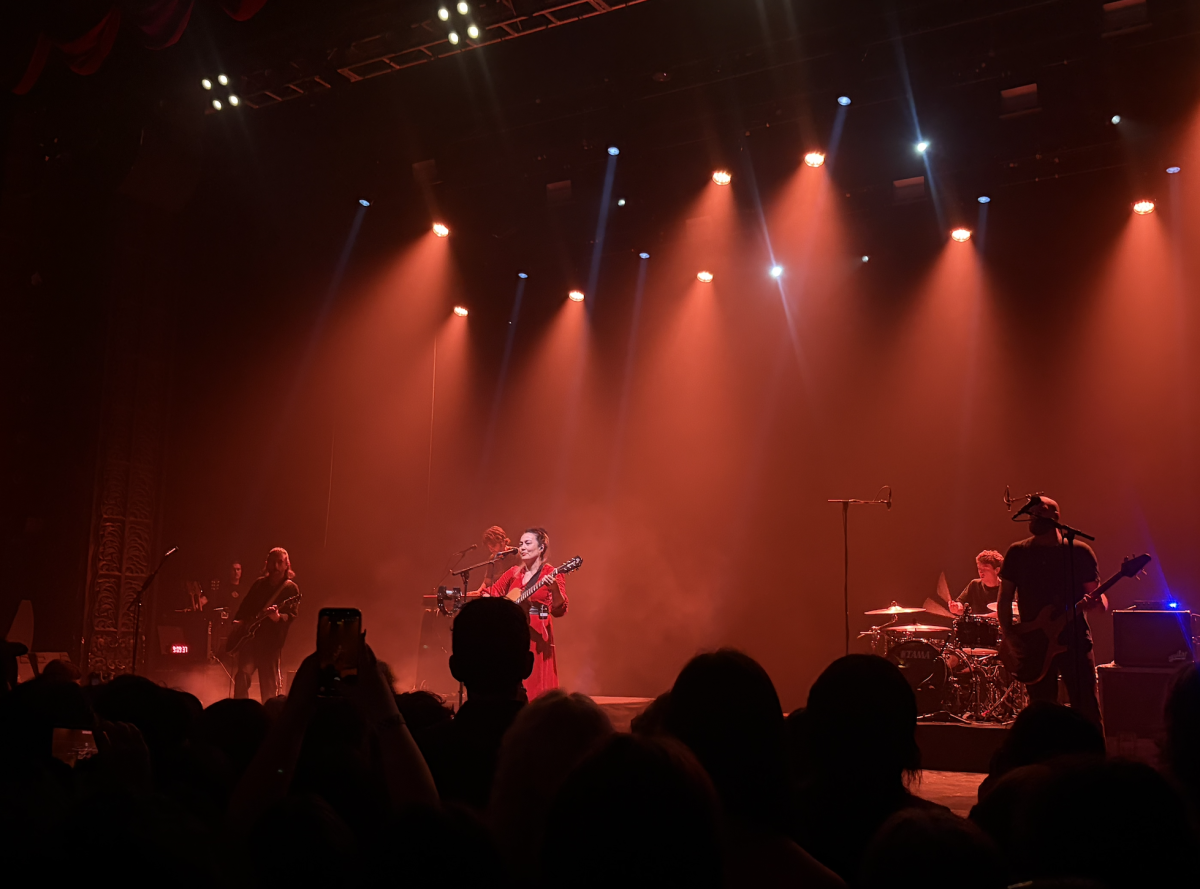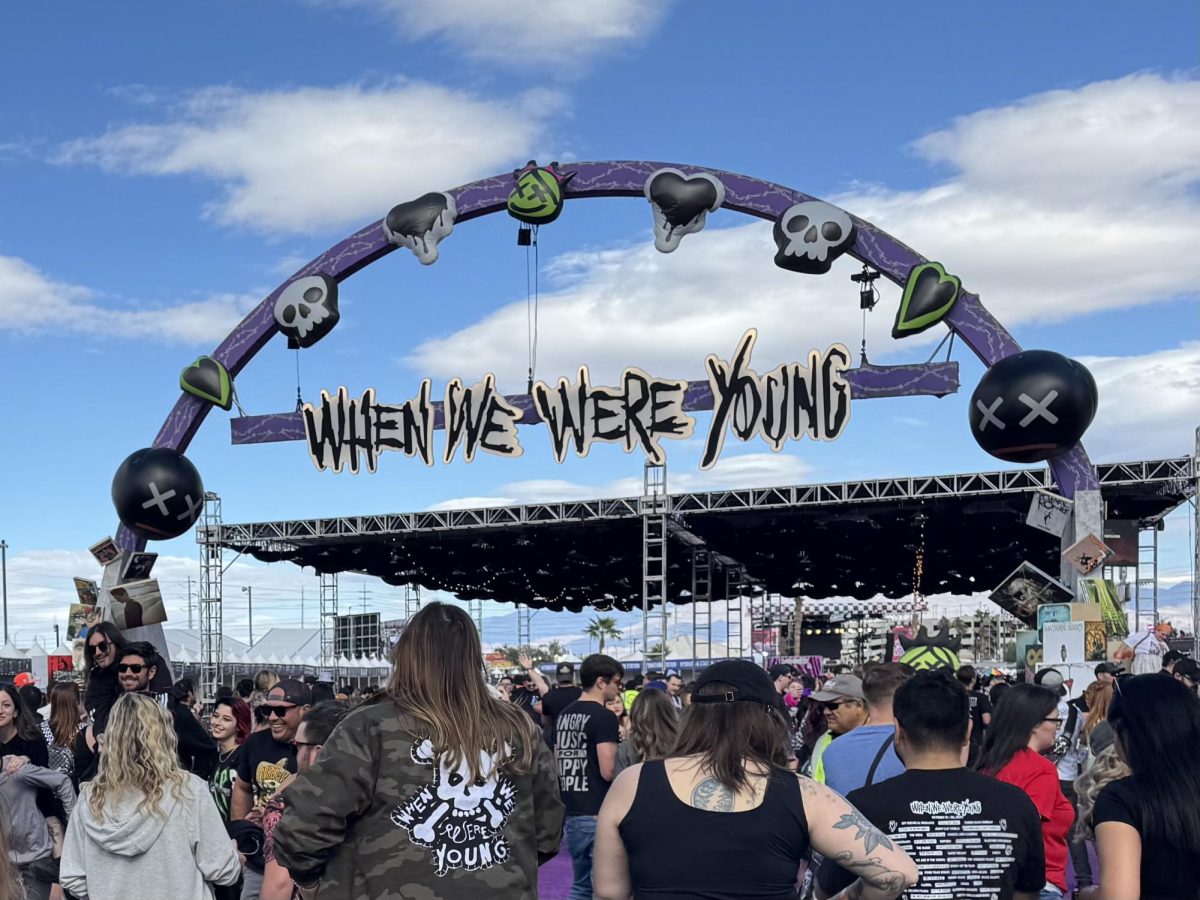
I sat at my desk, refreshing my computer with one hand, holding my credit card in the other.
Loading. Loading. Loading.
At 10:15 a.m., a quarter of an hour after the festival presale started, the page finally went through, and I scrolled to the bottom of the page as fast as I could to snag my ticket. I wasn’t gunning for VIP or anything luxurious, just a simple general admission, standing room ticket — the cheap seats.
$460.
“Are you kidding me? That’s way too much money.” I bought the ticket anyway.
Live music has always been dominated by young adults, with more than half of music festival attendees surveyed in 2018 being between 18 and 34 years old. Historically, it was a fun, cheap way to get out of the house and hang out with friends. However, the continuous increase in concert and festival ticket prices has begun to make these events inaccessible to their target demographic.
With rent, student loan payments and a rising rate of unemployment to contend with, most college students and recent graduates don’t have hundreds of dollars left over each month to spend on attending concerts.
According to USA Today, the average concert ticket in 2024 cost $135.92, which is a 41% increase from 2019, when the average was $96.17. Although prices have risen steadily over the past many decades, the trend seems to have accelerated post-COVID.
One fan of the rock band My Chemical Romance took to Reddit to share a picture of their ticket to the band’s 2007 arena show in Denver, where tickets to stand on the floor were sold for $26.25 each. In 2026, My Chemical Romance is set to return to Denver, but with floor tickets costing anywhere from $264 to $580.
In Gen Z’s lifetime, concerts have gone from an affordable weekend activity to a once-a-year event with payment plans. A social media survey I conducted found that 80% of college-aged respondents have missed a concert or music festival due to financial limitations.
One main contributor to this issue is the rise of the Ticketmaster-Live Nation monopoly over more than 70% of live music events in the U.S. Shortly after the two companies merged in 2010, Ticketmaster unveiled the concept of dynamic pricing, a strategy that raises prices based on demand for tickets to an event. Because of this, prices to different cities on the same tour or different shows at the same venue can vary widely, with large cities such as New York and Los Angeles and popular artists like Taylor Swift being priced the highest.
Every time a famous musician has announced a tour in the past few years, there has been loud and immediate backlash on social media against high ticket prices. The latest superstar to take the heat is Harry Styles, who recently announced his 30-night residency at New York’s Madison Square Garden. Many fans queuing on Ticketmaster’s website late last month were shocked to see that prices for the shows ranged from a reasonable $50 in the nosebleeds, all the way up to $1200 for seats on the floor.
Respondents to the social media survey, who mainly reside in Southern California, admit to having spent as much as $900 on a single concert ticket despite only being willing to pay $500 in the future. This goes to show that, even when young people can find the money to attend these events, they don’t always leave feeling that the show was worth the cost.
“Concert-going as a whole is very expensive,” college student Allyson Cole commented on the survey. “It’s not just the concert or festival. It’s food and drinks, it’s merchandise, it’s hotels and gas. The whole experience is always so expensive that it sometimes doesn’t feel worth it.”
The other problem is ticket scalpers who buy up as many tickets to concerts as possible only to resell them at exorbitant prices for a profit. Some fans, after missing the original ticket sale, are willing to pay the extra money for better seats or entrance into a concert that is listed as “sold out” on official websites. Other times, fans buy resale tickets only to discover on the day of the event that their ticket wasn’t sent to them or never even existed in the first place, and they are often refused a refund by the reselling website.
Recently, artists and festival organizers have begun attempting to combat scalping by limiting the number of tickets one can buy in a single transaction, providing presale codes to fans via email newsletters or even reverting back to physical tickets and wristbands. However, after allowing it to go unchecked for years, the progress to eradicate scalping has been slow.
Efforts to rein in event ticket pricing have gained the U.S. government’s attention, with the Federal Trade Commission filing a lawsuit against Ticketmaster in late 2025 for engaging in illegal resale practices and charging customers with hidden fees that only appear at the last stage of checkout.
Will this be enough? As of now, attending concerts and festivals has become a luxury that few young people can afford to indulge in regularly. The music industry as a whole will need to see a steep decrease in ticket prices if it hopes to maintain its primary audience.